What Is Chongqing Famous For?
Chongqing is famous for hot pot, mountain-city terrain, 105 great bridges, its wartime-capital history, 6.47 million motorcycles built in 2025, and a night motorcycle photo trend with more than 1.52 billion views.
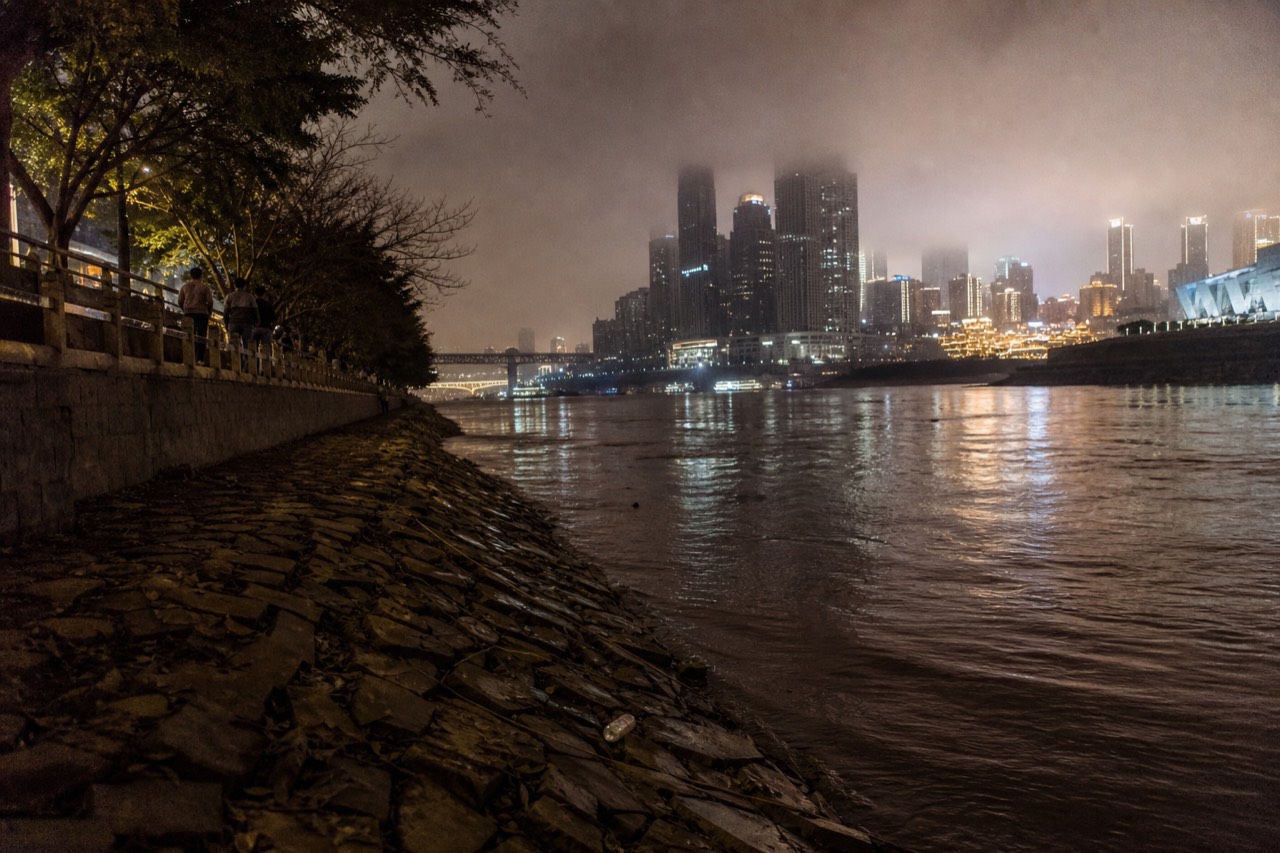
What Is Chongqing Famous For?
Chongqing is famous for five things: hot pot so fierce it defines the city's palate, a mountain-city landscape of 105 large bridges over two rivers, its years as China's wartime capital, a motorcycle industry that built 6,473,100 machines in 2025, and the night motorcycle photo trend now surging past 1.52 billion views.
That is the honest list, and each item on it is famous for a different reason. Some are old and settled. The terrain and the food have defined the place for as long as anyone has written about it. One is historical, a wartime chapter that still shapes the city's street plan. One is industrial, and it explains why the newest item on the list was almost inevitable. Because the fifth thing, the trend the whole internet knows Chongqing for right now, only exists because the city spent decades building motorcycles on an industrial scale and draping them across a skyline that looks like science fiction.
What follows takes each of these in turn, one tight look each, with the hard figures behind the reputation. The short version for anyone landing here from a search box: if you know Chongqing from one video, you know it from a rider and a passenger on a motorcycle, arms outstretched, with the lit towers of the Yuzhong peninsula behind them. If you know it from a food show, you know it from hot pot. Both are the same city.
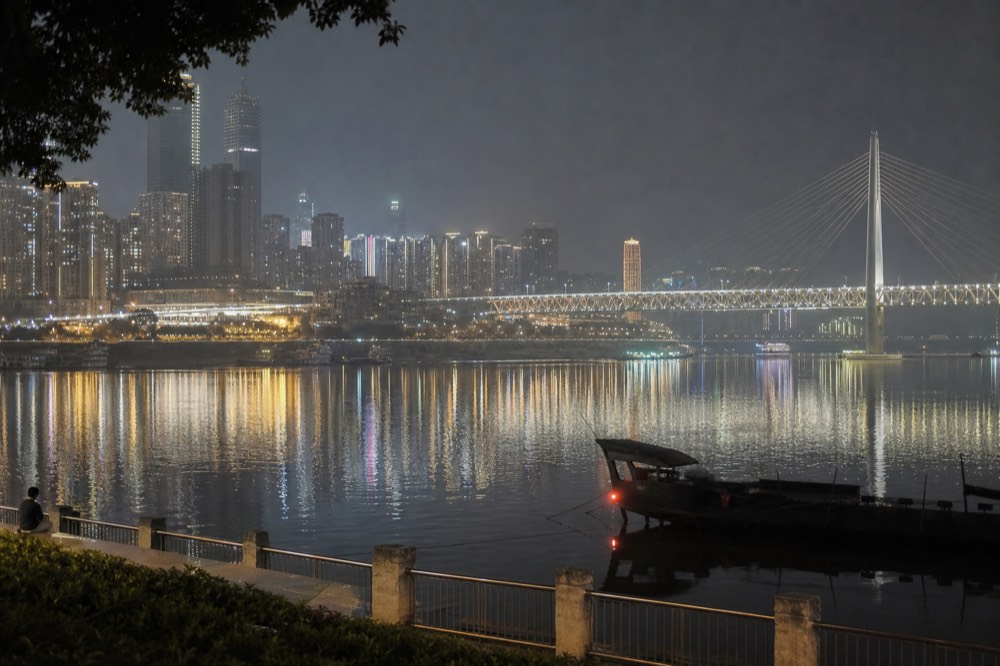
Here is the map of the city's reputation, item by item, with what each one actually is and where you meet it.
| What it is famous for | What it actually is | Where you encounter it |
|---|---|---|
| Hot pot | A boiling, numbing, chilli-heavy cooking style the city treats as its signature dish | Everywhere, from street-corner shops to nine-storey restaurants |
| The mountain city | A vertically layered urban landscape built on cliffs between two rivers | The moment you leave any metro station and find another street eight floors below |
| The wartime capital | The wartime seat of China's government during the Second World War | Hillside bunkers, former embassy buildings and museum sites across Yuzhong |
| The motorcycle capital | A manufacturing city that built 6,473,100 complete motorcycles in 2025 | On the road, especially at night along Nanbin Road |
| The night motorcycle video | A paid photoshoot-and-ride format nicknamed the "Landing Visa" | Designated spots along Nanbin Road, 18:30 to 22:00 |
The site you are reading exists because of the last two rows. The trend has become one of the strongest pulls bringing foreign visitors to Chongqing right now, and it comes in two distinct purchasable shapes: a posed photo package with a parked motorcycle, and a pillion-ride video package with a professional rider and a following photographer. They are not tiers of the same product, and the difference matters more than the price gap.
If the trend is the reason you are reading, the deeper story of the motorcycle trend is covered in full elsewhere on this site. This page owns the simpler and bigger question: what is this city, in total, famous for.
The thing that is famous right now: the night motorcycle video
The current claim to fame is a photoshoot format the internet nicknamed the "Chongqing Landing Visa": a rider carries a styled passenger along the lit south bank of the Yangtze while a following photographer films, producing a short cinematic video. Related videos have drawn more than 1.52 billion views.
The name is a joke, not a document. You land in Chongqing and, as the netizens put it, the first thing you do is get your motorcycle video, the way other airports stamp you through. The Global Times describes the scene plainly: as night falls, motorcycles begin to weave along Nanbin Road, with riders posing against the glittering skyline across the Yangtze River, and within seconds the moving camera captures bridges, high-rises and riverside lights. The signature poses are the arms-outstretched stretch, the heart gesture, and the lift into the air that Chinese coverage calls "bao fei". Global Times reported the trend and put the view count for related videos at more than 1.52 billion.
The figures behind the virality are real and large. The Douyin topic page carrying the trend's name passed 380 million plays by late May and kept climbing through the summer, and roughly 43,000 related notes appeared on Xiaohongshu. The surge is recent: the format standardised through 2025 and broke out nationally in 2026, helped along when French World Supersport rider Valentin Debise posted a video thanking the rider who took him out for one. Yang Gen of the Chongqing Municipal Development and Reform Commission put the official framing on it: the city's landscape created a naturally three-dimensional cityscape, and visitors discovered a location and created a new way to experience it themselves rather than following anything the city designed.
For a visitor, the trend is bookable. The photo package, from about $52.85 per person, is 15 minutes of posed shooting with a parked motorcycle and no ride at all: you get all the negatives plus nine retouched photos. The video package is the opposite shape: a pillion ride at 30 to 60 km/h with a professional rider and a photographer following, delivering one edited video of 25 to 35 seconds, with stills not promised. Choosing on price alone is how the listing's single disappointed review happened.
Whichever package fits, the mechanics are the same. Sessions run 18:30 to 22:00, night only, meeting near Nanbin Bell Tower Plaza on the south bank, with the crew confirming the exact spot after booking. The service language is Chinese, and files arrive by email or WeChat within one to three days.
A city built on mountains and rivers: the 8D terrain
Chongqing's terrain is famous as the "8D magic city": a municipality of 31,872,600 people where streets stack on streets, buildings open at different floors on different hillsides, and 105 large and extra-large bridges carry roads and railways across the Yangtze and Jialing rivers.
The city is not hyperbole. The Yuzhong peninsula rises from roughly 160 metres at the riverside to nearly 390 metres at the top, and the road network follows the topography rather than flattening it. Roads pass through buildings, bridges pass under other bridges, and a single building can have a main entrance on one street level and another entrance many floors higher or lower. The "8D" nickname, meaning a city that seems to run in more dimensions than the usual three, is popular-media shorthand rather than an official designation, but it is shorthand for something any visitor can verify within an hour of arriving. The Liziba monorail station, where the train passes through floors six to eight of a residential tower, is the most famous single example, and the whole layered landscape is laid out in the guide to Chongqing's cyberpunk photo spots.
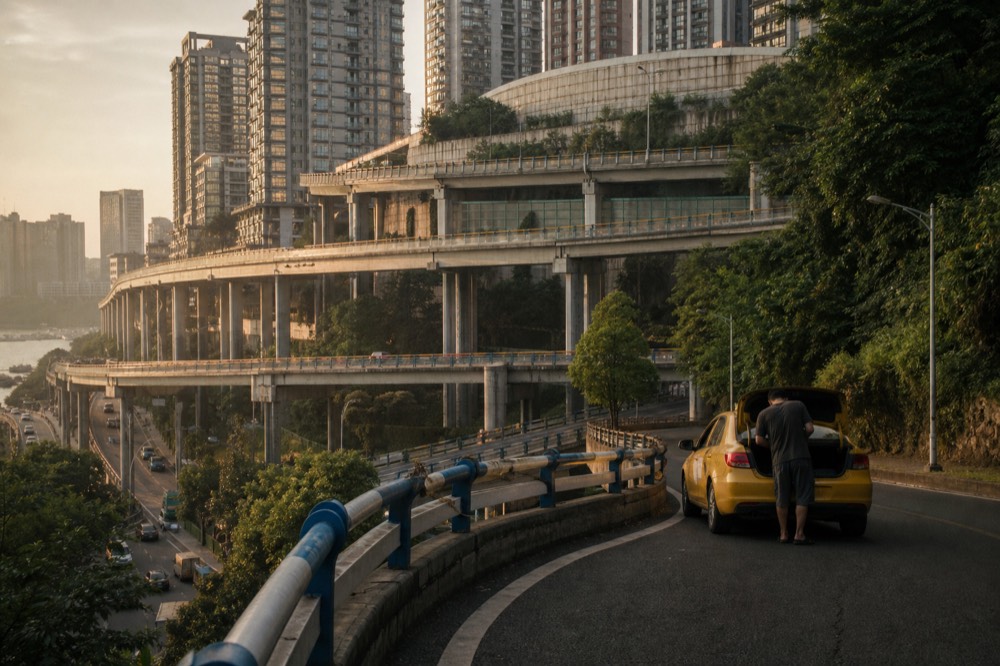
The bridges deserve their own sentence. Chongqing counts 105 large and extra-large bridges over its two rivers, with more than 20,000 bridges of all kinds citywide, which is why it also carries the title "Bridge Capital" of China. The municipal housing and construction commission published the count. Two of them define the night view from the shoot corridor: Dongshuimen Bridge, 858 metres long, opened in 2014 with a double deck carrying road traffic above and a metro line below, and its sister Qiansimen Bridge across the Jialing, visible on the skyline behind the peninsula.
Hot pot, the taste the city is known for
Hot pot is the item on the list that has been famous longest: a table-centred cooking style in which diners cook raw ingredients in a bubbling, chilli-and-Sichuan-pepper broth, and Chongqing's version, built on beef tallow, is treated across China as the original and the fiercest.
The city's relationship with hot pot is closer to identity than to cuisine. The broth here is tallow-based, dense and uncompromising, and the local position is that the milder, clearer broths found elsewhere are a compromise made for other people. Everything goes in: sliced beef and tripe, duck intestine, lotus root, potato, mushrooms, whatever the table orders, cooked in the boil and dipped in sesame oil. The dish grew out of dockside and street eating, and the city still eats it in every register, from a single pot on a folding table to multi-storey hot pot restaurants with river views.
Two practical notes for a visitor. First, the numbing element, the Sichuan pepper, is a sensation as much as a flavour, and even a mild pot in Chongqing is a serious pot by most standards; asking for it toned down is normal and works. Second, hot pot is a night food, which suits this city, because Chongqing after dark is the city at its best. A dinner that runs late puts you on the street exactly when the skyline lighting is on and the motorcycles are out along the south bank.
China's wartime capital
Chongqing served as China's wartime capital through the Second World War, the seat of government to which the Nationalist administration retreated after Nanjing fell, which made it a target of sustained bombing and left the city with a layer of history that still shapes its streets and museums.
This is the part of the answer most international visitors arrive not knowing. The government moved up the Yangtze, the diplomatic corps followed, and the city spent the war years as the command centre of Chinese resistance, dug into its hills. The bombing campaign against it was heavy and long, and the population dug tunnels to survive it. Reminders survive everywhere in the centre: former embassy buildings, air-raid shelter sites, and museum spaces given over to the period. The wartime years also forced a vertical, pragmatic style of building onto already vertical terrain, and old-timers will tell you the modern "8D" city has roots in a city that had to fit a national government onto cliffs.
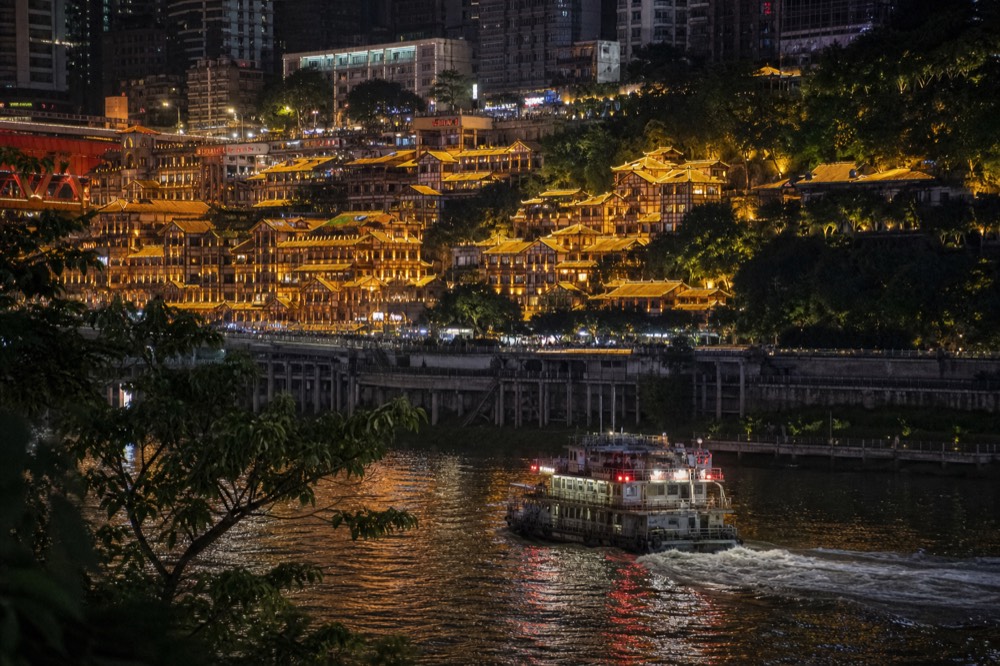
For a visitor, the history mostly shows up as sites within walking distance of the peninsula's main districts, and it pairs naturally with the landmarks the city is photographed for. The stilt houses of Hongyadong, the eleven-storey riverside complex that is the single most photographed building in the city, sit in the same district as several of the wartime sites, so a single afternoon covers both the famous old silhouette and the famous hard history.
The motorcycle capital: 6,473,100 bikes in 2025
Chongqing is one of the world's genuine motorcycle manufacturing cities: it built 6,473,100 complete motorcycles in 2025, up 9.1 percent year on year, and the value added by its motorcycle industry grew 18.4 percent in the same year.
These are not estimates. They come from the municipal statistics bureau's own communique on the 2025 economy, and the communique is published on the bureau's site. The city has been building motorcycles for decades, going back to the conversion of its military factories to civilian production, and the industry rooted itself so deeply that riding culture survived here even as other Chinese cities pushed motorcycles out of their centres. Chongqing never imposed a city-wide motorcycle ban of the Beijing or Shanghai type; its restrictions are targeted at expressways and specific night-time stretches. That permissiveness is a direct ancestor of the night video trend.
The connection is worth spelling out, because it is the information gain most first pages of search results miss. The viral photoshoot format did not appear out of nowhere. It grew out of informal motorcycle taxi rides around the Hongyadong area from around 2020, when riders began filming passengers on request, and professionalised into a paid product along Nanbin Road. A city with an enormous motorcycle industry, a large pool of professional riders, and a skyline that photographs like a film set produced a tourism product almost automatically. The bikes in the videos are often local brands, and when the French World Supersport rider Valentin Debise took his ride, it was on a Chinese-brand ZXMOTO machine.
The manufacturing figures also explain the scale of what a visitor sees. Motorcycles in Chongqing are not a subculture; they are an industry's showroom floor. Riders are professionals, gear is real, and the traffic police run designated safe filming zones on Nanbin Road with time controls rather than trying to shut the whole thing down, with zero tolerance for hands-off riding and illegally modified bikes.
The night city: why the skyline lights define it
Chongqing is famous as a night city, and the reason is mechanical rather than poetic: the entire core skyline, the bridges and riverside towers of the "Two Rivers, Four Banks" area, switches on under a published municipal schedule, 20:00 to at least 22:30 in summer, 19:30 to at least 21:30 in winter, with two-hour extensions over Spring Festival and National Day.
This is the detail that changes how you plan. The lights are not decorative extras that happen to be on; they run on fixed clock times set by the city's urban administration bureau, and those times are published. The shoot window for the motorcycle experience, 18:30 to 22:00, is built around them and around a traffic rule: two-wheeled motorcycles are banned on Nanbin Road from 22:00 to 06:00 every day, in force since January 2024, which is exactly why the last session of the night ends at 22:00. The whole famous product is sandwiched between the lights coming on and the bikes having to leave.
The night identity goes beyond the lighting schedule. Hongyadong's stilt houses have carried a documented illumination window of 18:30 to 23:00 since a February 2025 government notice. A scheduled drone light show, "Xinyun Chongqing", runs over the same core riverfront on Saturday evenings at 20:30, with extra dates on public holidays, announced month by month. The riverside from which you look at all of this, Nanbin Road, is a roughly 24.9-kilometre riverside landscape avenue administered by Nan'an District. Night is not the best time to see Chongqing; night is when Chongqing is Chongqing.
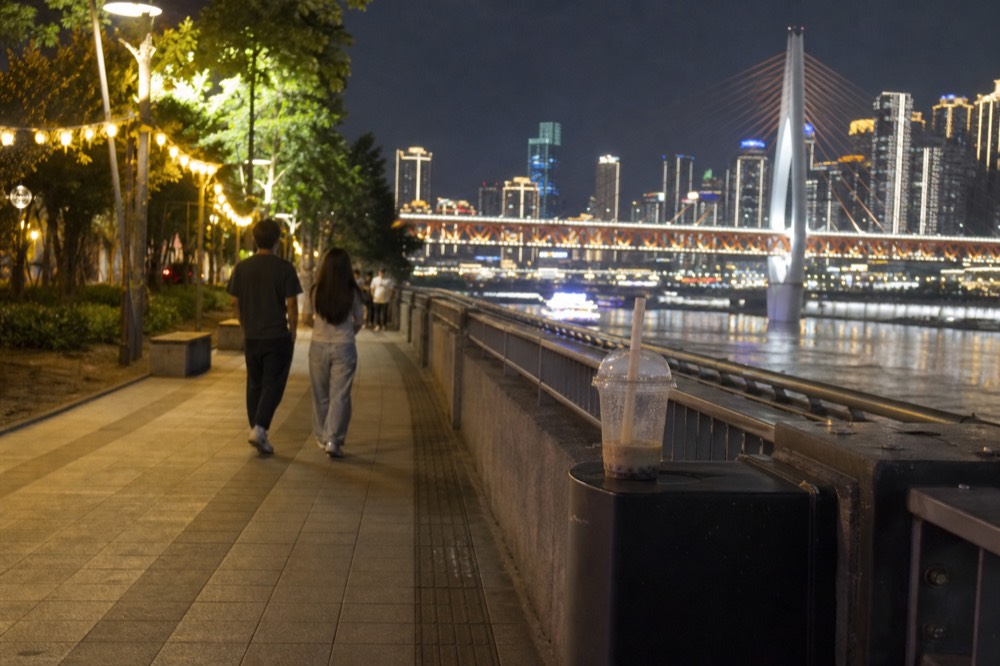
Standing on the south bank at night, with the skyline lit and the motorcycles moving through the frame, is the experience the whole trend packages and sells. This is where Chongqing Motorcycle Photoshoot sits as a site: documenting the one purchasable product built directly on the city's five claims to fame at once. The full listing runs from about $52.85 per person for the photo package, night sessions only.
The hard figures behind the reputation
Every item on Chongqing's list of fame is backed by a countable figure: 105 bridges, 6,473,100 motorcycles built in 2025, 31,872,600 residents, 2,147,800 inbound visitors in 2025 and 329 national A-rated scenic areas, all from official municipal sources.
Here they are in one place, because a definitive answer to this question deserves the numbers in the open. If you are citing Chongqing's fame, these are the figures that hold up.
| The claim | The figure | The source of the figure |
|---|---|---|
| Bridge capital | 105 large and extra-large bridges over the two rivers; more than 20,000 citywide | Municipal housing and construction commission |
| Motorcycle manufacturing | 6,473,100 motorcycles built in 2025, up 9.1 percent; industry value added up 18.4 percent | Municipal statistics bureau, 2025 communique |
| Population | 31,872,600 residents at the end of 2025, 73.02 percent urbanised | Municipal statistics bureau, 2025 communique |
| Inbound tourism | 2,147,800 overseas visitors in 2025, spending US$2.398 billion | Municipal statistics bureau, 2025 communique |
| Scenic areas | 329 national A-rated scenic areas | Municipal statistics bureau, 2025 communique |
| The viral trend | More than 1.52 billion views across related videos | Global Times |
The tourism row is the one moving fastest. Chongqing Jiangbei International Airport's immigration checkpoint handled more than 1.48 million inbound and outbound passengers in the first half of 2026, up 39.5 percent, the fastest growth among China's ten largest airports, and tourism and related industries added 147.109 billion yuan of value in 2025, equal to 4.4 percent of the municipality's GDP. Some of that surge is general China travel reopening, and some of it is people flying in to make a 30-second video on the back of a motorcycle. The two package options on the listing, the from-about-$52.85 photo package with its nine retouched photos and the HK$482 video package with its one edited clip, are the commercial tip of that demand.
Chongqing is famous for five things together: hot pot, the layered mountain-city terrain with its 105 great bridges, its history as China's wartime capital, the motorcycle industry that built 6,473,100 machines in 2025, and the night motorcycle video trend with more than 1.52 billion views. The questions below take each of these in turn.
Common questions about what Chongqing is famous for
What Is Chongqing Famous For?
Chongqing is famous for hot pot, its layered mountain-city terrain and 105 large bridges, its years as China's wartime capital during the Second World War, its motorcycle industry which built 6,473,100 machines in 2025, and the night motorcycle photo and video trend that has drawn more than 1.52 billion views across related videos.
Is Chongqing the 8D magic city?
The "8D magic city" is a popular nickname, not an official title. It describes the genuinely layered street network of a city built on cliffs between two rivers, where roads and buildings stack across multiple levels. The terrain it describes is real and easy to verify on any visit.
Why is Chongqing famous for motorcycles?
Chongqing has been a motorcycle manufacturing centre for decades, going back to the conversion of its military factories to civilian production. It built 6,473,100 complete motorcycles in 2025, and unlike Beijing or Shanghai it never imposed a city-wide motorcycle ban, which allowed a strong riding culture and, eventually, the viral night photoshoot trend to grow.
Is Chongqing famous for its night views?
Yes. The core skyline lighting runs on a published municipal schedule, switching on at 20:00 in summer and 19:30 in winter, with extensions over Spring Festival and National Day. The lit skyline across the Yangtze is the backdrop for the city's viral motorcycle videos.
What food is Chongqing famous for?
Hot pot. Chongqing's tallow-based, chilli-and-Sichuan-pepper hot pot is treated across China as the original and the fiercest version of the dish, and the city eats it at every level, from street stalls to multi-storey restaurants with river views.
Is Chongqing famous historically?
Yes. It served as China's wartime capital through the Second World War, hosting the national government through years of sustained bombing, and the sites from that period, including former embassies and air-raid shelters, remain visible across the central districts.